Linear Casting
Linear Casting
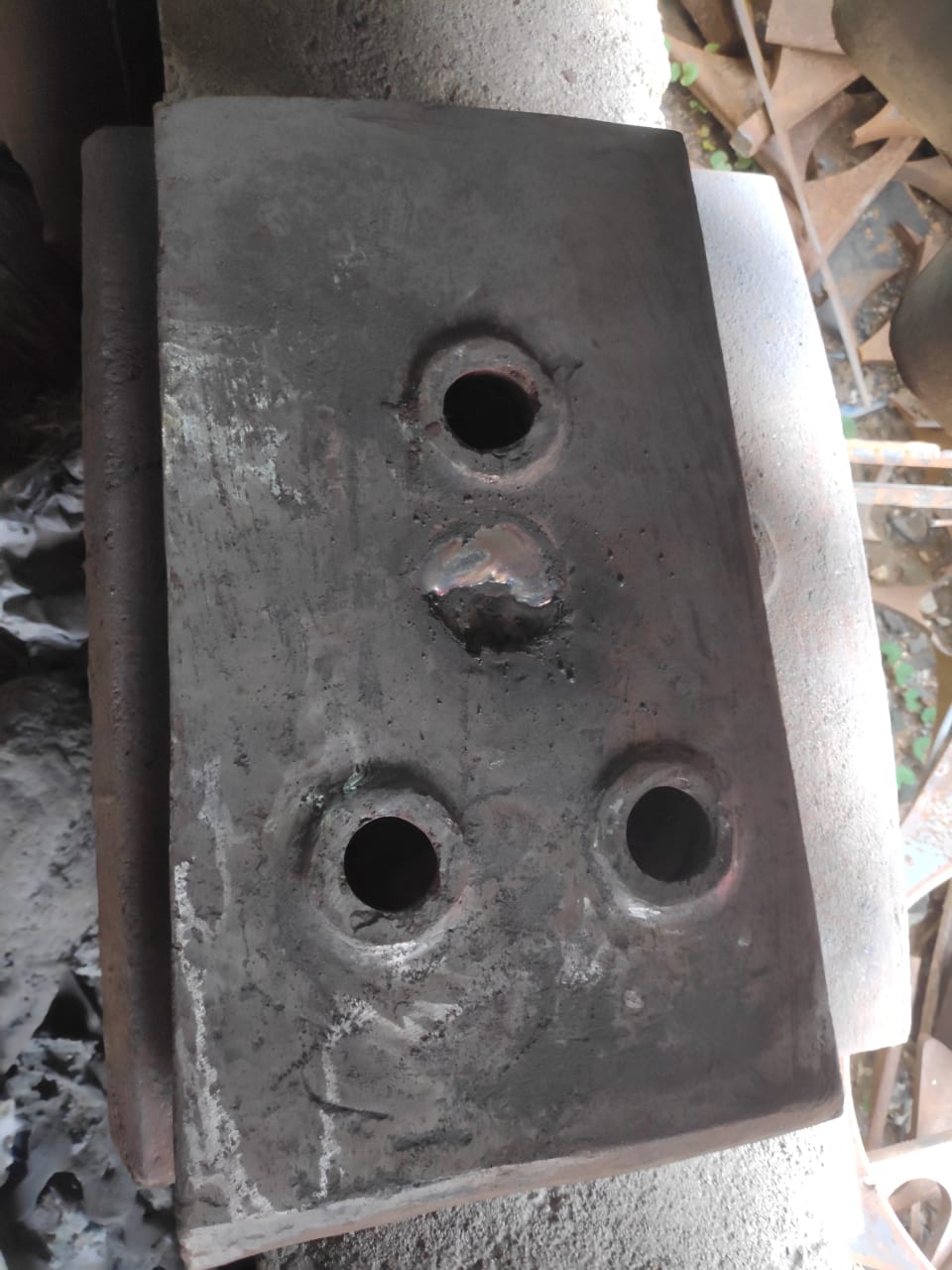
The image shows a stack of ball mill liners. These are replaceable plates that protect the interior of a ball mill from the impact and abrasion of grinding media and material.
Liners are designed to lift and cascade the grinding media, which are typically steel or ceramic balls, to crush and grind the material inside the mill. They are often made from durable, wear-resistant materials like high manganese steel or Ni-Hard cast iron to withstand the harsh environment of a mill.
Ball mill liners are used to protect the interior of a ball mill from wear and tear caused by the impact and abrasion of grinding media and the material being processed. They are essential for a ball mill’s longevity and efficient operation.
The primary uses of ball mill liners are:
- Protection:Liners act as a buffer between the grinding media (balls) and the mill shell, preventing damage and extending the life of the mill itself.
- Grinding Efficiency:The shape and design of the liners are crucial for controlling the movement of the grinding media. They lift and tumble the balls, ensuring they impact the material effectively to crush and grind it. Different liner shapes, such as stepped or wave liners, are used for different grinding purposes, such as coarse or fine grinding.
- Noise Reduction:Some liner materials, such as rubber, can significantly reduce the noise generated by the grinding process.
- Energy Consumption:Using lighter materials like rubber can reduce the energy required to rotate the mill, leading to lower energy consumption
Industries that use ball mills and their liners include:
- Mining and mineral processing:To grind ores and minerals to extract valuable metals.
- Cement production:To grind clinker and other raw materials into a fine powder.
- Ceramics and glass:To grind and blend raw materials for tiles, pottery, and glazes.
- Chemical and pharmaceutical:To mix and grind chemicals and drug ingredients into uniform powders.
- Paints and pigments:To grind pigments to create fine dispersions for paints and coatings.
Common chemical compositions for ball mill liners include:
- High Manganese Steel (ZGMn13)
: Known for its work-hardening properties under impact, this steel is a traditional choice for liners. Its chemical composition typically includes 11-14% manganese (Mn) and 0.90-1.50% carbon (C).
- High Chromium Cast Iron
: This material offers superior wear resistance and is often used in large ball mills.
- High Chromium Alloy
: Contains 8-26% chromium (Cr) and 2.0-3.6% carbon (C).
- Medium Chromium Alloy
: Contains 4-6% chromium (Cr) and 2.0-3.2% carbon (C).
- Chromium-Molybdenum (Cr-Mo) Alloy Steel
: These steels are used for their combination of high hardness and impact strength. A common type contains 5% chromium, 0.8% nickel, and 0.8% molybdenum. Another type, based on Australian standards, contains chromium and molybdenum for superior wear and impact resistance.
- Ni-Hard Cast Iron
: This is a family of white cast irons alloyed with nickel and chromium. It is highly resistant to abrasion, especially in low-impact environments.
- Ni-Hard 1
: Contains 3.0-3.6% carbon, 3.3-4.8% nickel, and 1.5-2.6% chromium.
- Ni-Hard 4
: Contains 2.6-3.2% carbon, 4.5-6.5% nickel, and 8.0-9.0% chromium, giving it higher hardness and abrasion resistance.
Exhibit-1
Exhibit-2
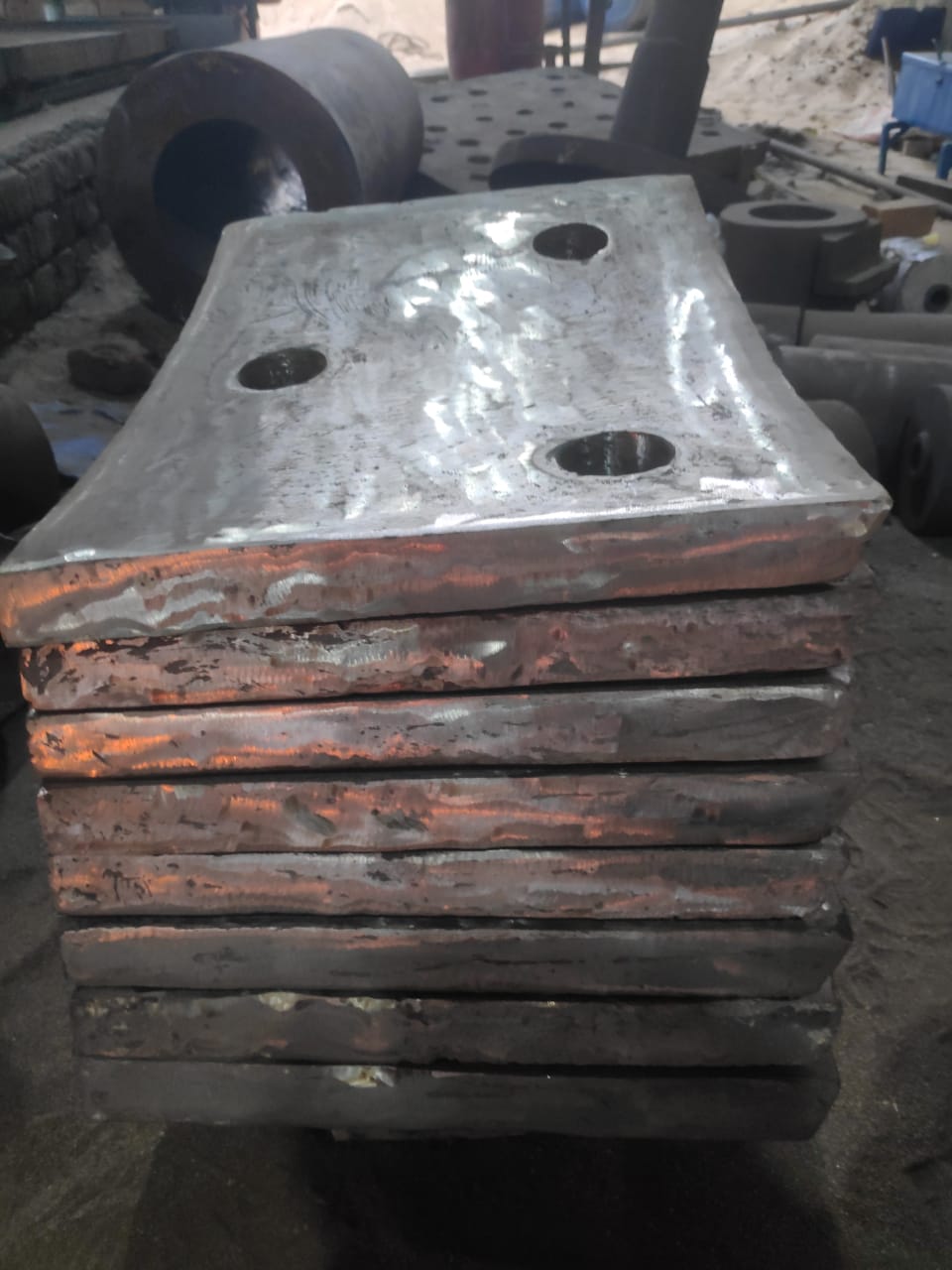
Exhibit-3